
Merge games feel relaxing because they turn a messy board into order using one simple move: combine two matching items to make a better one. The goals are clear, progress comes in small steps, and nothing punishes you for taking your time. That is also why they can be hard to put down.
What is a merge game?
A merge game gives you a grid of items. When you put two of the same kind together, they become one item of the next level. Two matches might become a candle. Two candles might become a lamp. The chain goes on until you have the thing you need.
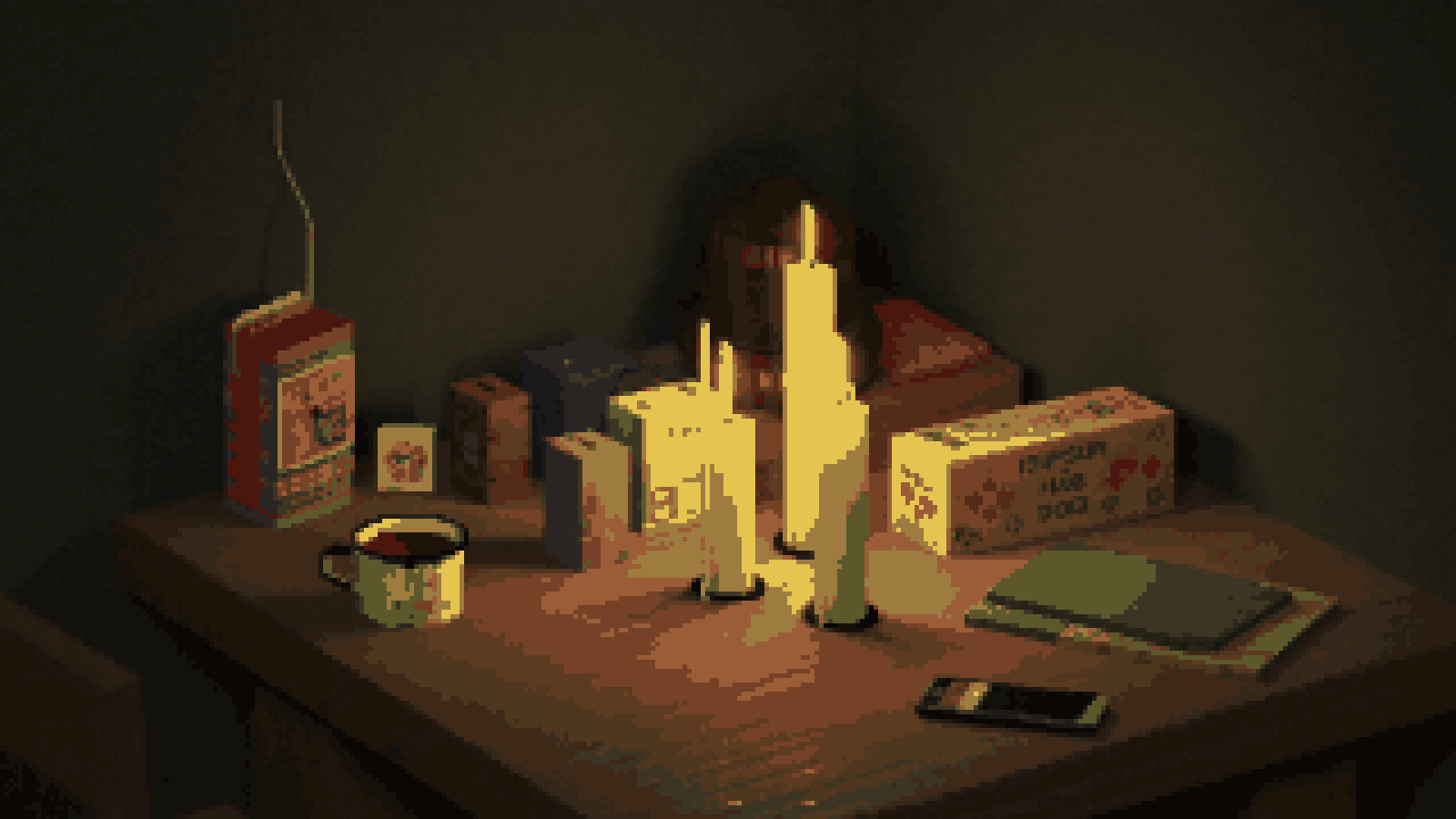
In Grid Down, the current build works like this: you merge supplies on a board in your father's bunker to fill orders from your neighbors. The matches, cans, candles and tools you merge are the same ones you would find in a real emergency kit.
Why are merge games so relaxing?
There are four design reasons, and none of them are secret.
There is always a clear next move. Every tap has an obvious purpose. You never have to guess what to do, which removes the stress of an open-ended game.
Progress is visible and small. The board changes with every merge. You can see order appear where there was clutter, and that is satisfying in the same way tidying a drawer is.
The pace is yours. There is no opponent and no clock pushing you. You can stop in the middle of a thought and come back later.
Failure is gentle. In most merge games, you cannot really lose. The worst outcome is that you wait or rethink, not that you restart.
Why are merge games addictive?
The same features that make them calm also make them sticky. Be honest about this, because it helps you play on your terms.
- Small rewards keep arriving. Each merge is a tiny win, and tiny wins stack up fast.
- Goals are always just ahead. There is always one more order or one more upgrade that looks close.
- Unfinished things pull at you. A half-built chain feels like a loose thread you want to finish.
- Some games use timers. Many merge games limit how much you can do at once, which can make you come back more often. Check how any game you play handles this, and how it makes money, before you settle in.
None of this is a trick unique to merge games. It is how most good puzzle design works. What matters is whether a game respects your time.
Do merge games have an ending?
Most have a long road. Items, orders and chapters keep coming, so the goal is rarely "finish." Pick one where the journey is interesting. In Grid Down, the board is wrapped in a story: at 3:17 AM every clock in Alder Creek stopped, two minutes later the power died, and you have inherited a stocked bunker, a dog and a radio that picks up a broadcast every night at 9 PM.
A story gives you a reason to keep merging beyond the satisfying click.
How do you play merge games in a healthy way?
A few habits keep it relaxing:
- Decide how long you will play before you start. One chapter, one order, ten minutes.
- Stop at a natural pause, such as after filling an order.
- Notice when it stops being calm. If you feel pushed rather than soothed, close it.
- Play at times you choose, not at times the game picks.
What makes a merge game worth your time?
Look for these:
- Clear rules. You should understand what each merge does.
- A reason to care. A story or a goal beyond the grid.
- Respect for your attention. Short sessions, fast menus and nothing padded.
- Honesty about how it earns money.
If you like the sense of preparing and stocking up, you might also enjoy reading what to do when the power goes out, which covers the real-world version.
Try Grid Down
Grid Down: Merge & Survive is our merge puzzle. Merge supplies, hold the fence, and listen to the radio at 9 PM. It is set in Alder Creek, a fictional small northern town, and you can read more on the GRID DOWN game page.
It is out now and free on the App Store: download Grid Down. See it on the homepage, and sign up for launch alerts to hear about updates and the next game.
The same hooks that make merge games calming can also keep you playing, which is covered in why are merge games so addictive.
FAQ
Why are merge games so relaxing?
They have clear goals, small visible progress, no opponent and a gentle fail state, so there is little to stress about.
Why are merge games so addictive?
Small rewards arrive constantly and there is always a goal just ahead. Some games also add timers that bring you back.
Do merge games ever end?
Most are built to go on for a long time. Chapters and orders keep coming, so the end is rarely the point.
Are merge games good for stress?
Many players find them calming because they are low pressure. If one starts to feel stressful, take a break.
